

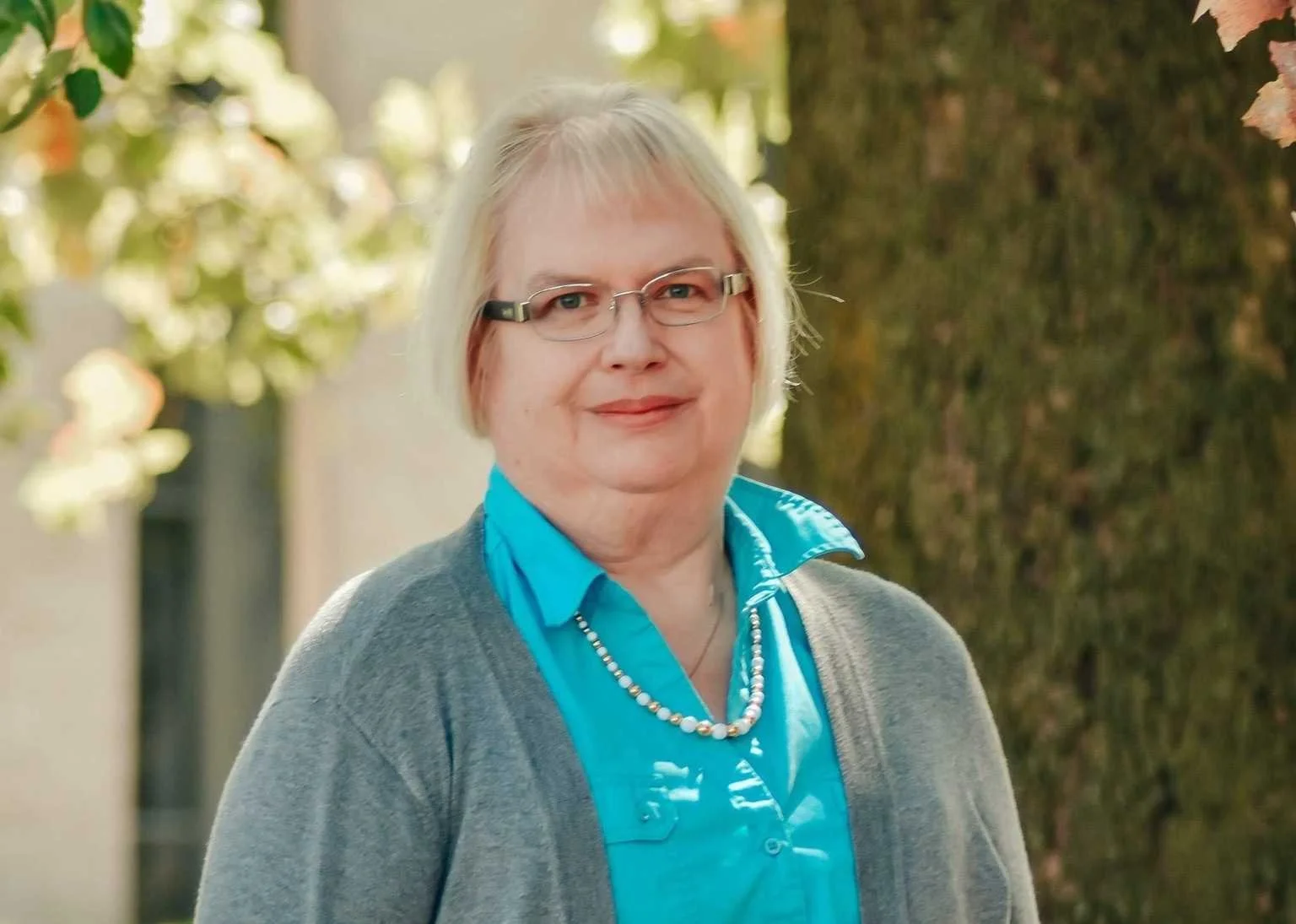
Rhoda Sommer RN MSN ED
90-Day New Grad Survival Program
One-on-One Mentoring for Your First Year as a Nurse
One-on-One Mentoring for Your First Year as a Nurse
You passed the NCLEX. You got the job.
Now you're wondering why you still don't feel ready.
The 90-Day New Grad Survival Program gives new nurses 12 weeks of one-on-one mentoring to help you move from feeling overwhelmed and second-guessing yourself to making safer decisions, building stronger clinical judgment, and growing confidence at the bedside.
Not Sure If You Need a Nurse Mentor? Let’s Talk.
A discovery call is a chance for us to meet and talk about where you are in your nursing journey.
You can tell me what’s happening on your unit, what has been harder than you expected, and what you wish you had someone to help you figure out.
During our call, I’ll explain the New Nurse Mentoring & Survival Coaching Program, including the topics we can work on together—prioritization, time management, difficult assignments, communication with providers, confidence, delegation, asking for help, and those shifts that leave you wondering, “Did I handle that right?”
Most importantly, we’ll talk about you.
What do you need right now? Where are you struggling? And would having an experienced nurse mentor in your corner make your first year a little easier?
Rhoda is your mentor—the person you can talk to about a shift without worrying that you’ll be judged. Together, you’ll walk back through what happened, look at the decisions you made, and figure out what you might do the next time.
The discovery call gives you a chance to learn about the program and decide whether this kind of support is right for you.
Schedule Your Discovery Call
Does This Sound Like You
You're constantly wondering what to do first.
You're afraid you're going to miss something.
Calling a provider makes you nervous.
You don't know when you should ask for help.
You struggle to get everything done during your shift.
You go home replaying what happened.
You aren't sure whether your assignment is unsafe or whether you're just inexperienced.
You passed NCLEX—but you're discovering that passing NCLEX and being a nurse are two different things.

2025
New York
“Something had changed.
She reassessed the patient, recognized the pattern, communicated her concerns, and got additional help.
When she told me the story, I asked:
“Do you realize what you just did?”
She didn't.
She used clinical judgment.
From Emily's StoryFROM “I DON'T KNOW IF I CAN DO THIS” TO “I KNOW WHAT TO DO NEXT”
A New Grad Survival Program Story
The following is a composite story representing the kinds of challenges the New Grad Survival Program is designed to address.
When Emily started her first nursing job, she was excited.
She had passed the NCLEX.
She had the RN behind her name.
She had completed orientation.
She thought she was ready.
Then she got her own patient assignment.
Suddenly, nursing felt very different from nursing school.
One patient needed pain medication. Another patient's blood pressure was dropping. A family member wanted to speak with her. She needed to call a provider about a change in condition. Her documentation wasn't finished—and another call light was going off.
Everyone else seemed to know what they were doing.
Emily didn't.
At least, that's how it felt.
By the end of some shifts, she would sit in her car wondering:
“Am I really cut out to be a nurse?”
She Didn't Need Another Nursing Textbook
Emily knew a lot of nursing information.
What she needed was help figuring out how to use it on the floor.
Through the New Grad Survival Program, we started working on the situations that were actually making her shifts difficult.
We talked about:
How to organize an assignment at the beginning of the shift
Which patient needed to be seen first
How to recognize expected versus unexpected findings
What to do when a patient's condition began to change
When and how to delegate
How to communicate with providers using SBAR
What to do when an assignment felt unsafe
How to ask an experienced nurse for help
How to leave work without replaying every decision she made
Most importantly, Emily had a place where she could say:
“I didn't know what to do.”
And instead of being judged, we worked through it.
Then Something Started to Change
A few weeks later, Emily brought a situation from work to our session.
One of her patients didn't look right.
There wasn't one dramatic finding.
But the patient was quieter than before. The heart rate was increasing. Blood pressure was trending downward. Urine output had decreased.
Earlier in her career, Emily might have looked at each finding separately.
This time, she stopped.
She looked at the whole picture.
Something had changed.
She reassessed the patient, recognized the pattern, communicated her concerns, and got additional help.
When she told me the story, I asked:
“Do you realize what you just did?”
She didn't.
She used clinical judgment.
Not because she suddenly knew everything.
Because she was learning how to think through what she was seeing.
Success Didn't Mean She Never Needed Help
Emily still had questions.
She still had difficult shifts.
She still encountered things she'd never seen before.
But now her first thought wasn't:
“I'm a terrible nurse.”
It became:
“What is happening with my patient, and what do I need to do next?”
That's a very different nurse.
THAT IS WHAT NEW GRAD SUCCESS LOOKS LIKE
Success isn't reaching the end of 90 days knowing everything.
No new nurse does.
Success is becoming the nurse who:
Recognizes when something has changed.
Knows when to ask for help.
Can prioritize when everyone needs something.
Communicates concerns clearly.
Understands that asking a question is part of safe nursing—not evidence that you don't belong.
And little by little, begins to say:
“I CAN DO THIS.”
A NOTE FROM RHODA
I don't want new nurses to simply survive their first months at the bedside.
I want them to understand what they're seeing, learn from the shifts that don't go well, celebrate the ones that do, and have an experienced nurse they can talk to when they're not sure.
Nursing school prepared you to become a nurse.
Orientation introduced you to your unit.
The New Grad Survival Program helps you learn how to LIVE the role.
You don't have to know everything.
But you do need to learn how to recognize when something matters—and what to do next.
That's where we start
MONTH 1 — SURVIVE
Find your footing.
Time management, organizing your shift, communicating with the team, asking for help, dealing with orientation, and beginning to recognize priorities.
MONTH 2 — STABILIZE
Start trusting your thinking.
Clinical judgment, patient assessment, expected vs. unexpected findings, prioritization, delegation, SBAR, recognizing deterioration.
MONTH 3 — THRIVE
Begin owning your nursing practice.
Advocacy, handling difficult situations, speaking up, unsafe assignments, professional confidence, learning from mistakes, and planning what comes next.
What You Receive
12 weekly one-on-one sessions
Personalized New Grad Action Plan
Between-session WhatsApp/email support
90-Day New Grad Survival Planner
Your New Grad Survival Toolkit
That can include your handouts on:
Expected vs. Unexpected
Prioritization
Delegation
SBAR
Personal Error Patterns
Clinical Judgment
PRIORITY Method
Safe/unsafe assignments
What Makes This Different?
This is important.
This isn't your hospital orientation.
Your preceptor's responsibility is to help you function safely on that unit.
Your manager is your employer.
Your coworkers are working their own assignments.
Rhoda is your mentor.
This is where you can bring the things you didn't understand, the shift that went badly, the provider conversation you wish you'd handled differently, or the moment you weren't sure whether you should have spoken up.
Who It's For
This program is for nurses in their first year of practice who want individualized support navigating the transition from nursing school to bedside nursing.
The Investment
The 12-week package is $1,097 with payment plans available.
Payment plans can be in Or one big payment of 1097
two installments of 548.50
three installments of 365.66
About Rhoda —
Rhoda Sommer has been an RN for over 40 years. She has been exclusively working with NCLEX and now new nurses for over 15 years. She has been where you are and knows what you need.
It will be an honor to be your mentor
Your Mentor: Rhoda Sommer, RN, MSN Ed.
Call to action
Not sure whether mentoring is what you need?
Let's talk for 15 minutes about where you are, what's happening on your unit, and what kind of support would actually help.
How the 90 days work
Individual mentoring is available if you want to try it before making a large commitment.