

🧠 The Hidden Cost of Overstudying: Why Rest Is Part of Your NCLEX Strategy
Burnout doesn’t mean you didn’t try hard — it means your brain needs space to actually learn.

A nursing student crashing after over studying.
💬 When More Doesn’t Mean Better
You’ve probably said it at least once:
“I studied all weekend and still bombed the same questions.”
Or this one:
“I do hours of review every day, but when I take practice sets, I still freeze.”
This isn’t laziness.
This isn’t lack of dedication.
This is the classic burnout loop — and it’s why students who study most aren’t always the ones who retain best.
You’re not alone. You’re just following the wrong productivity myth.
Let’s dive in!
🔍 More Time ≠ More Learning
Let’s look at the brain side of this:
✔ Active processing builds memory
✔ Rest + retrieval practice builds long‑term retention
✔ Passive repetition feels productive but does not make knowledge stick
A student told me recently during a session:
“I was doing 300–500 questions a week. But I kept missing priority and NGN‑style questions — even though I knew the material!”
After reviewing her pattern, it wasn’t the time she spent — it was how her brain was being used.
Her sessions became a hamster wheel:
➡ watch videos
➡ do questions
➡ review explanations
➡ repeat
But her brain never had a chance to digest — and that’s key.
Is how you study really the most effective way?
📊 Signs You’re Overstudying (Without Knowing It)
You might be burning time, but check for these red flags:
🔹 You study hard, but your scores don’t budge
🔹 You feel foggy 60–90 minutes into every session
🔹 You feel numb or overwhelmed before studying
🔹 You review more than you practice
🔹 You avoid rest because it feels like “giving up”
🔹 You notice panic during practice exams
If any of these sound familiar… that’s your brain signaling:
This isn’t just hard — it’s inefficient.
🧠 How Learning Really Works
Your brain doesn’t store text.
It connects patterns.
To make NCLEX‑level judgment stick, you need:
✔ recall and recall under stress
✔ pattern recognition
✔ prioritization
✔ distinguishing subtle differences
✔ strategy and reasoning
None of this happens in a vacuum of fatigue.
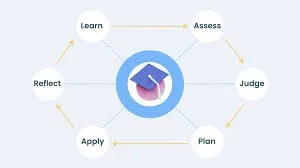
A study plan.
✏️ FREE DOWNLOAD: "NCLEX Retention Toolkit"
🧪 Real Exam Scenarios + Why Rest Matters
Let’s explore two scenarios where fatigue destroys performance — and how smarter study + rest helps.
Scenario 1: Prioritization Under Pressure
Question:
A 72‑year‑old man with CHF presents with increasing leg edema and weight gain of 4 lbs overnight. Breath sounds are clear and he denies shortness of breath. VS: BP 130/78, HR 88, O2 sat 96%. Which nursing action is most appropriate?
A) Elevate legs and apply compression stockings
B) Check daily weights and notify provider if gain persists
C) Administer prescribed furosemide
D) Teach low‑sodium diet
Overstudy Reaction:
✘ Student sees all the “correct” things — swelling, weight gain, meds — and tries to choose every possible thing.
Burned‑out thinking:
➡ Picks lots of answers.
➡ Confusion because “they all seem right.”
➡ Low confidence.
Smarter strategy with rest & focus:
✔ Recognize weight gain as the key cue
✔ Apply priority: fluid overload management first
✔ Know that ordering diuretic action is high yield
👉 Correct action: C) Administer furosemide
A rested mind focuses on the clue that changes care. An over‑studied, tired mind gets lost in details.
Scenario 2: NGN Layered Thinking
Question:
A client with type 1 diabetes reports headache, blurred vision, and thirst. Their blood glucose is 380 mg/dL, and they have 2+ pitting edema in lower extremities. Which nursing action takes priority?
A) Encourage oral fluids
B) Reassess blood glucose in 30 min
C) Administer prescribed insulin
D) Teach complication prevention
Fatigued brain pattern:
☑ Grabs multiple relevant pieces (thirst, glucose, edema)
☑ Attempts to “cover everything”
☑ Misses true priority
NCLEX‑ready reasoning:
Hyperglycemia is the main instability
Edema is secondary
Priority: correct the metabolic issue first
👉 Correct action: C) Administer insulin
A rested mind — one that’s practiced thinking and resting — makes these connections fluidly. A tired one grabs all “right‑sounding” pieces but can’t order them, which is exactly what burnout feels like.
💡 The Hidden Role of Rest in Learning
Let’s be clear: rest isn’t a break from studying — it’s part of it.
During rest:
✔ neural connections solidify
✔ memories consolidate
✔ confidence builds
✔ stress hormones drop
✔ creativity and pattern recognition improve
One of my students said:
“The first time I stopped studying extra hours and actually rested, I improved more in a week than I had in three months.”
Your brain literally needs space to make sense of what you’re pushing into it.
🧰 Tools That Help You Stop Overstudying and Start Learning
These aren’t extra tasks — they replace ineffective habits with better ones:
📍 Study Tracker Sheet
Keeps you accountable to what you actually learned, not just what you did.
➡ After a starter session: “What concept do I really feel strong about? What still feels blurry?”
📍 Teach‑It‑Back Sheet
Forcing your brain to explain why something works builds deeper neural maps than copying notes ever could.
📍 Brain Dump Before Study
Clears your mind of distraction so you can hit the material with focus, not noise.
📍 Mistake Buster Tool
Studies aren’t meant to hide your weaknesses — they’re meant to reveal them so you can fix them.
🧘 High‑Performance Study Isn’t Grind — It’s Rhythm
Instead of crushing hours:
✔ Break study into focused blocks
✔ Take intentional rest
✔ Review lightly after breaks
✔ Use structured reflection
This rhythm beats burnout every time.
Feeling Unready Isn’t a Failure
If you feel anxious, behind, or unsure — that’s not a judgement on your ability.
It’s a signal your strategy needs realignment.
You don’t need more hours.
You need smarter habits and space for your brain to work the way it’s meant to.
And that’s what real NCLEX success is made of.

You CAN do this!
➡️ [Join the Facebook Group here] We are aware the link does not work working on getting out a promotion so you can join easily on Facebook
💬 Join the Conversation:

Comment below!
Share your stories in the comments or reach out—I’d love to hear from you.
Which free tool do you think will help you the most (Study Tracker Sheet, Teach Back Sheet, Brain Dump before studing, or Mistake Buster Tool)?
Any tips or advice for other new nurses?

Follow and Like!
💙If you are not on our email list, click the contact link here.
💙Don’t forget to follow me on my Instagram account @nclex_one_on_one_tutoring and share it with your colleagues!
💙Join the Facebook Group: One on one tips NCLEX and New nurses
Want Mentorship?

Nurse Mentor
If you’re a new nurse (or an experienced one) who wants help building communication skills, I’m here to support you.
Let’s imagine a nursing culture where we handle conflict with courage, professionalism, and care—not fear or silence.
Let’s build that together.

