


A new nurse learning something new.
Dear new nurse,
I know the NCLEX felt like the finish line.
But now you’re here — on the unit, badge clipped on, learning 24/7 — and the pressure hasn’t stopped.
In fact… it might feel heavier.
You want to do it all right. You want to remember everything. You don’t want to let anyone down.
And then you sit down to study — you print out a bright, color‑coded 12‑week schedule, you commit, “From now on, every day is NCLEX time.”
But a week later — nothing.
Real life shows up: work, shifts, family, sleep deprivation, brain fog. That beautiful plan? It feels heavy. It feels like punishment.
And life wins.
If that feels familiar, you’re not alone. Most of us have been there — spinning wheels, trying to “catch up,” feeling guilty, and watching plans crumble.
Here’s the truth:
You’re not behind. You’re right on time.
Learning after school is its own skill — and everyone learns differently.
Let’s dive in!
Here’s what I want you to know:
1. Not knowing doesn’t mean you’re failing.
To be able to say “I don’t know” — that’s a skill.
One some nurses never get.
It means you’re thinking, you’re honest, and you’re safe to ask instead of guess.
And that’s how real learning happens.
2. Learning after school looks different.
You don’t study like you did in school anymore.
It doesn’t come in flashcards or PowerPoints.
It comes while you’re charting, listening, doing, and debriefing.
It happens on your feet — while you’re caring for real people.
And that kind of learning? It takes time, space, and self‑trust.
3. You’re not supposed to know it all — yet.
You thought passing would feel like the finish line.
But instead… it kind of feels like being thrown into the deep end.
You might wonder:
→ “Am I ready for real patients?”
→ “Why don’t I feel more confident?”
→ “What do I focus on next?”
Passing the NCLEX doesn’t make you instantly confident.
It just means:
💡 You’re qualified.
💡 You’re ready to keep learning.
💡 You’re not supposed to know it all yet.
Confidence comes from doing the thing — not waiting to feel perfectly prepared.

New nurses learning on the job.
Why Most Study Plans Fail (and Burn You Out)
Here’s something many students don’t see until late:
Most study plans are built on guilt — not capacity.
They assume you have free days, steady energy, and clear mental bandwidth.
But you don’t. Not really.
You may be juggling work shifts, family needs, errands, and exhaustion.
Most plans don’t leave room for life — or for rest.
Missed days pile up. You fall behind. Then shame sets in — and that shame pushes you further from consistent studying, not closer.
Most plans only focus on content — not how the test actually works.
With the Next Generation NCLEX (NGN), just memorizing facts isn’t enough. NGN tests clinical judgment — the ability to gather and interpret cues, analyze, prioritize, generate solutions, take action, and evaluate outcomes.
💬 A student once told me:
“I thought I just needed to try harder. But I was exhausted and ashamed. We started slow. We rebuilt. And I passed with more peace than I thought possible.”
— Burnt out → Passed student
Burnout isn’t a weakness. It’s a signal. Your plan has to care for your brain — not just chase your test date.
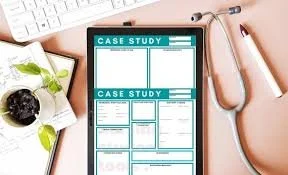
NGN‑style prep from day one
🧠 What Every Effective (and Humane) NCLEX Plan Needs
1) Clarity over chaos
Before you schedule a session or sit down to study, get crystal clear on:
What content areas you really need to focus on
Which question types stress you out (SATA, drag‑and‑drop, case studies, charts, NGN patterns)
What your real availability actually looks like: shifts, family time, sleep, energy
How your brain learns best (flashcards, questions, visuals, talking it out)
This isn’t busywork. It’s honesty. It’s giving yourself permission to build a plan that fits reality.
2) Consistency over intensity
It’s not about cramming 8–10 hours a day.
It’s about showing up week after week.
A plan that bends with your life — with built‑in rest, buffer time, and flexibility — wins every time over the “cram until you drop” schedule.
3) NGN‑style prep from day one
Since the test measures clinical judgment — not just recall — your study schedule needs to build that thinking from the start:
✦ Mix content review with NCLEX‑style questions
✦ Practice scenario‑based drills
✦ Interpret charts and exhibits
✦ Practice prioritization and critical thinking
📘 A Study Plan That Works With Your Brain, Life & Energy
Maybe you’re 12 weeks out from your test. Maybe you’ve got 4 weeks. Maybe you’re rebuilding after burnout.
If you’re 12 weeks out — your plan involves gentle rhythm, spaced review, and consistent pacing.
If you’re 4–6 weeks out — you’ll lean more on focused content blocks + frequent NGN drills + daily rhythm — with rest and stress care built in.
If you’ve burned out already — this reset is your fresh start: slower pacing, smaller chunks, regular check‑ins, and prioritizing self‑care right alongside studying.
💬 Another student told me:
“I couldn’t memorize — it just didn’t stick. What finally worked was linking the information together, seeing how it all connected, and understanding why it worked that way. Once I started thinking that way, the questions started making sense. That’s what changed everything.”
— Past student (now passed 💪)
Short on time doesn’t mean you’re out of options. It means you need a strategy that works fast — and works for you.
You’re Not Behind — You Just Need a Better Plan
If you’ve felt tired, behind, overwhelmed, or stuck — trust this:
You deserve more than “just push harder.”
You deserve a plan that respects you — your brain, your life, your energy.
Every shift, every mistake, every win, every moment you say,
“I don’t know, but I’ll find out” — that’s what builds you.
You don’t have to rush.
You don’t have to know it all.
Just keep showing up.
Just keep learning.
And if you ever need support from someone who’s been there — reach out.
I’d love to hear what you’re navigating, what’s been hard, or where you need guidance.
I’m here to listen — and help in any way I can.
With care,
💛Rhoda

You CAN do this!
➡️ [Join the Facebook Group here] Follow the link to our Facebook page on the downloaded page. Then ask to join after scanning the QR code
💬 Join the Conversation:

Comment below!
Share your stories in the comments or reach out—I’d love to hear from you.
What you’re navigating, what’s been hard, or where do you need guidance?
Any tips or advice for other new nurses?

Follow and Like!
💙If you are not on our email list, click the contact link here.
💙Don’t forget to follow me on my Instagram account @nclex_one_on_one_tutoring and share it with your colleagues!
💙Join the Facebook Group: One on one tips NCLEX and New nurses
Want Mentorship?

Nurse Mentor
If you’re a new nurse (or an experienced one) who wants help building communication skills, I’m here to support you.
Let’s imagine a nursing culture where we handle conflict with courage, professionalism, and care—not fear or silence.
Let’s build that together.

