

Nursing Is Called a Calling — But Nurses Are Redefining What That Means

What does “Nursing is a calling” really mean to you?
The “Calling” Narrative in Nursing Culture
When Nursing Became More Than a Profession
Nursing has been called a “calling” for so long that many nurses stopped questioning what that language was asking them to tolerate.
Traditionally, a calling has been understood as more than just a profession. It reflects a deep, intrinsic motivation to serve others — work tied to purpose, compassion, and a desire to make a meaningful difference. In nursing, that idea transformed the profession from simply a job into something many viewed as a moral obligation to care for vulnerable individuals.
But over time, the language of “calling” became intertwined with expectations many nurses quietly learned to accept.
Let’s dive in!
The Hidden Expectations Behind “Service”
Long hours. Emotional exhaustion. Unsafe staffing. Guilt around boundaries. The expectation to keep giving, even when there was little left to give.
For some nurses, the role also came with tolerating behavior that would be unacceptable in many other professions. Verbal abuse from patients and families became normalized as “part of the job.” Emotional burdens followed nurses home long after shifts ended. Sacrifice was often framed as dedication, and endurance became something to admire.
For years, much of nursing culture viewed the nurses who pushed through the most as the strongest.
But something is beginning to shift.
How Nursing Culture Was Built Around Endurance
For generations, nursing was viewed as one of the most selfless professions a person could enter. Many families took pride in seeing their daughters, wives, mothers, and loved ones become nurses because the profession symbolized compassion, sacrifice, and service to others.
As nurses entered training and practice, endurance quickly became part of the culture. Long shifts, emotional strain, and pushing through exhaustion were often viewed as signs of dedication rather than warning signs of depletion. Nurses learned early that the job required resilience and self-sufficiency, especially during moments of crisis.
Historically, that expectation made sense in many ways. During the Civil War, World War II, and other periods of conflict, nurses worked under extreme conditions with limited resources while caring for overwhelming numbers of patients. Strength, composure, and the ability to continue despite exhaustion became essential parts of the role.
But over time, some of those expectations quietly evolved into something deeper within nursing culture. The ability to keep going no matter what became admired. Asking for help, setting boundaries, or prioritizing rest could sometimes be interpreted as weakness rather than sustainability.
For many nurses, dedication became closely tied to endurance.

A nurse hoping coffee will help her endure the rest of her shift.
When Endurance Became the Standard
The “Push Through It” Mentality
For many nurses trained in earlier generations, sacrifice was considered part of the profession. Long shifts, heavy patient assignments, emotional exhaustion, and putting patients’ needs before personal comfort were often viewed as unavoidable realities of nursing. Strength was measured by endurance, and the ability to “push through” became deeply respected within the culture.
Many nurses from the 1950s, 1960s, and later generations lived this reality every day. During times of crisis — including the COVID-19 pandemic — nurses once again stepped into overwhelming conditions because patients needed them. The profession has long been built on service, resilience, and the willingness to continue even under extraordinary pressure.
At What Cost Does Service Require Sacrifice?
But for many newer nurses, the question is no longer whether they are willing to care for others. The question is: at what cost?
How much of themselves should nurses be expected to lose in order to prove they are dedicated enough to the profession?
Over time, self-neglect became normalized in many healthcare environments. As patient acuity increased and staffing pressures intensified, some units developed cultures where new nurses were expected to “toughen up” quickly. Enduring stress, skipping breaks, suppressing emotions, and accepting unsafe workloads became viewed as part of earning respect within the profession.
In some cases, experienced nurses who had survived difficult conditions themselves unintentionally passed those expectations forward. The mindset became: “I went through it, so they should be able to handle it too.”
But a growing number of nurses are now questioning whether constant depletion should be considered a professional standard at all.
Can nurses sustainably care for others if they are continuously sacrificing their own physical, emotional, and mental well-being in the process?
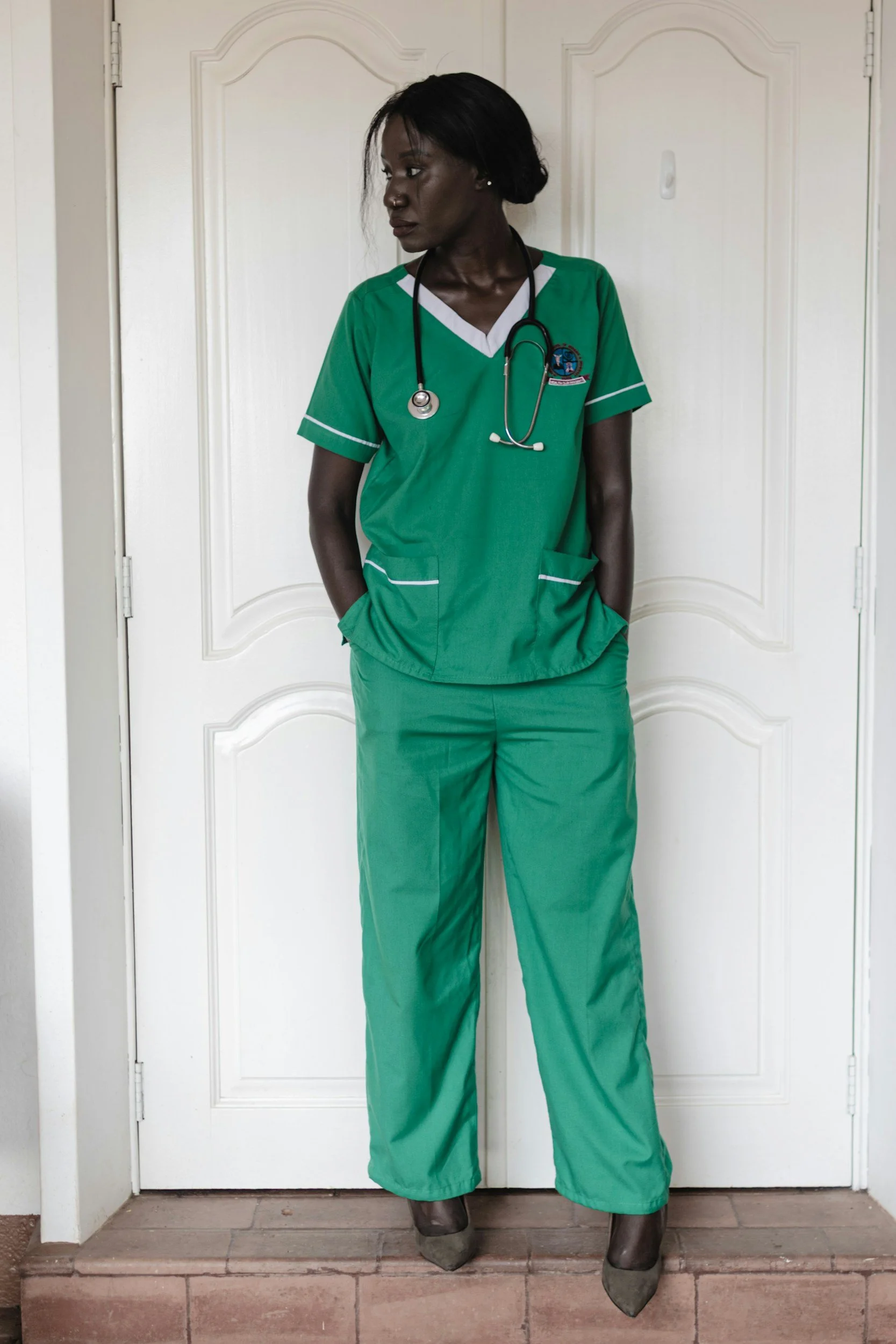
A nurse redefining what it means to be nurse
Redefining Service in Modern Nursing
Boundaries Are Not the Opposite of Compassion
As nursing culture continues to evolve, many nurses are beginning to redefine what service truly means within the profession.
For generations, service was often associated with self-sacrifice — the willingness to give endlessly, push past exhaustion, and place personal needs last. But a growing number of nurses are beginning to question whether sustainability and compassion should exist in opposition to one another.
Setting boundaries does not necessarily mean nurses care less about their patients. In many cases, boundaries are what allow nurses to continue caring for others without completely losing themselves in the process. Rest, emotional support, manageable workloads, and the ability to say “this is too much” are increasingly being viewed not as weakness, but as necessary forms of sustainability within a demanding profession.
Nurses Are Creating Careers Aligned With Their Values
At the same time, many nurses are creating careers that align more closely with their personal values, mental well-being, and long-term goals. Some remain at the bedside while advocating for healthier work environments. Others pursue education, consulting, entrepreneurship, wellness, leadership, or alternative paths within healthcare that allow them greater autonomy and balance.
For many nurses, this shift is not about abandoning the profession. It is about redefining their relationship with it.
Autonomy as a Form of Professional Growth
Autonomy is increasingly becoming part of professional growth. Nurses are beginning to ask whether dedication should only be measured by endurance, or whether it can also be reflected in advocacy, balance, critical thinking, leadership, and the ability to sustain a meaningful career over time.
Maybe redefining service does not mean nurses care less.
Maybe it means they are finally recognizing that compassion and self-erasure are not the same thing.
Can Nurses Care for Others Without Losing Themselves?
A Healthier Future for Nursing Culture
Nursing will likely always attract people who want to serve, care for others, and help people through some of the most difficult moments of their lives.
But more nurses are beginning to ask an important question:
What if dedication to the profession should also include protecting the people within it?
For too long, many nurses were expected to lose parts of themselves to emotional exhaustion, chronic stress, and burnout in order to prove their commitment to the role. Yet the people providing care are still human beings with families, boundaries, emotional needs, and lives outside the hospital walls.
Should nurses not also be allowed the space to care for themselves while continuing to care deeply for others?
As conversations around mental health, workplace safety, staffing, and professional boundaries continue to grow, many nurses are beginning to challenge the belief that self-sacrifice must be the defining measure of dedication.
And maybe that question is not weakening nursing culture.
Maybe it is changing it for the better.

You CAN do this!
➡️ Join the Facebook Group [Here] We are aware the link does not work working on getting out a promotion so you can join easily on Facebook
💬 Join the Conversation:

Comment below!
Share your stories in the comments or reach out—I’d love to hear from you.
Can nurses continue serving others sustainably if they are constantly expected to sacrifice themselves in the process?
For seasoned nurses, do you have any tips or advice for other new nurses?

Follow and Like!
💙If you are not on our email list, click the contact link here.
💙Don’t forget to follow me on my Instagram account @nclex_one_on_one_tutoring and share it with your colleagues!
💙Join the Facebook Group: One on one tips NCLEX and New nurses
Want Mentorship?

Nurse Mentor
If you’re a new nurse (or an experienced one) who wants help building communication skills, I’m here to support you.
Let’s imagine a nursing culture where we handle conflict with courage, professionalism, and care—not fear or silence.
Let’s build that together.

