

You’re Exhausted — And It’s Not Just the Shift
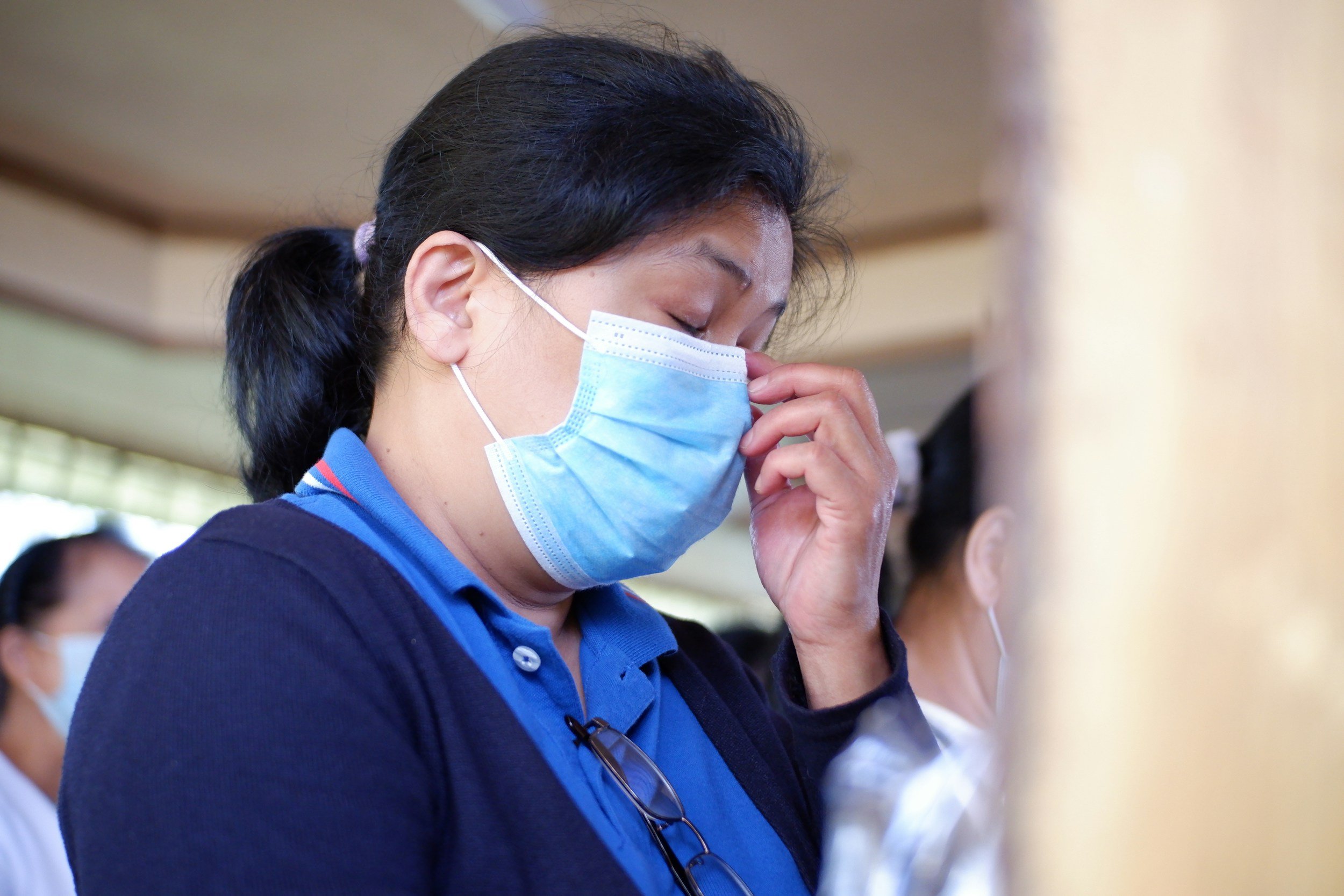
An exhausted new nurse
I remember driving home after a shift with my eyes open.
The next thing I knew, I was drifting into the median.
I jerked the wheel, swerved into the left lane, and heard honking and screeching brakes behind me.
I wasn’t texting. I wasn’t distracted.
I was exhausted. And I had slept.
Let’s dive in!
Why New Nurses Feel Exhausted Even After Sleeping
New nurses expect to be tired.
What they don’t expect is the kind of exhaustion that doesn’t lift with a day off.
The kind that lingers. The kind that follows you home.
The kind that sits in your chest long after your badge is off.
Shift work is hard. Rotating schedules are hard. Night shift is hard.
But what made it heavier wasn’t just the hours.
It was the hypervigilance.
It was being the last defense between an error and a patient.
It was the adrenaline spikes, the constant scanning, the quiet pressure to not miss something.
Shift Work Fatigue vs. Nervous System Depletion
Your nervous system doesn’t shut off just because the shift ends.
And when it never fully powers down, your body pays for it.
At some point, exhaustion stopped feeling like sleep deprivation and started feeling like being trapped.
Not trapped in nursing. Trapped in the cycle.
Work. Recover. Sleep. Flip your schedule. Repeat.

Feeling exhausted to the point of burn out is common in nursing.
When Exhaustion Starts to Feel Like Burnout
I remember realizing my thoughts had shifted from “I’m tired” to “I need out.”
That shift in thinking scared me more than drifting toward the median ever did.
Because this wasn’t about laziness.
It wasn’t about not being cut out for the job.
It was depletion.
When your body is chronically exhausted and your nervous system never fully resets, your brain starts looking for relief.
Not because you’re weak. Because you’re human.
Signs You’re More Than Just Tired
That season of exhaustion and depletion eventually required more than sleep.
It required support.
It required people around me who recognized that exhaustion had crossed into something heavier.
Looking back, I don’t see failure.
I see a nervous system that had been running at full speed for too long.
Here’s what I want new nurses to understand:
Exhaustion isn’t just physical.
It’s cumulative.
It’s mental.
It’s emotional.
It’s physiological.
And feeling trapped is not a character flaw.
It’s a signal. A signal that something needs to change.

Making adjustments
What To Do When Exhaustion Becomes Overwhelm
That might mean adjusting shifts.
It might mean setting boundaries.
It might mean asking for help sooner.
It might mean professional support.
But ignoring it doesn’t make you stronger.
It makes the spiral tighter.
You’re exhausted — and it’s not just the shift.
It’s the weight.
It’s the responsibility.
It’s the constant vigilance.
And you don’t earn credibility by pushing through collapse.
You earn longevity by recognizing when your body and mind are asking for relief.
If you’ve ever felt more than tired — if you’ve felt trapped — you are not alone.
And you are not weak.

You CAN do this!
➡️ Join the Facebook Group [Here] We are aware the link does not work working on getting out a promotion so you can join easily on Facebook
💬 Join the Conversation:

Comment below!
Share your stories in the comments or reach out—I’d love to hear from you.
What’s one sign your body gives you when you’ve pushed too far?
For seasoned nurses, do you have any tips or advice for other new nurses?

Follow and Like!
💙If you are not on our email list, click the contact link here.
💙Don’t forget to follow me on my Instagram account @nclex_one_on_one_tutoring and share it with your colleagues!
💙Join the Facebook Group: One on one tips NCLEX and New nurses
Want Mentorship?

Nurse Mentor
If you’re a new nurse (or an experienced one) who wants help building communication skills, I’m here to support you.
Let’s imagine a nursing culture where we handle conflict with courage, professionalism, and care—not fear or silence.
Let’s build that together.

